
15 Things to Do When You Find Out You’re Pregnant
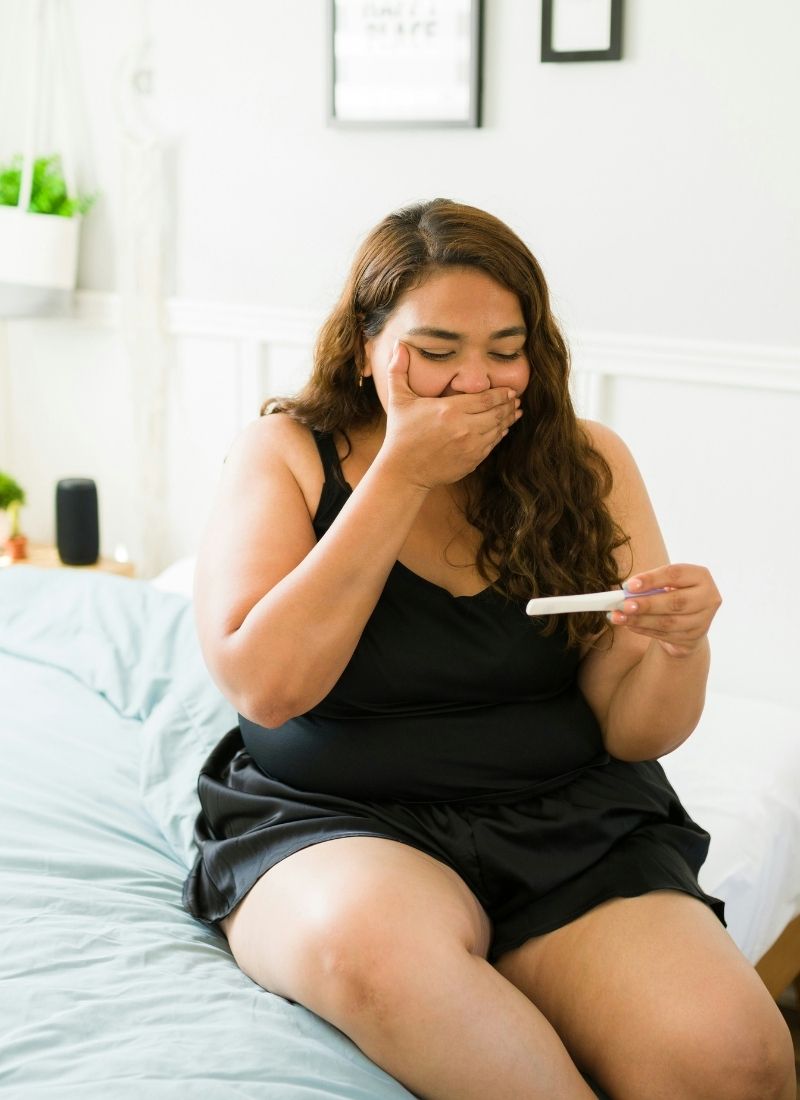
I still remember staring at that positive pregnancy test and thinking… okay, now what?
It’s one of those moments that hits you all at once. Excitement, nerves, maybe even a little panic. And then suddenly, you have a million questions running through your head.
Do I call a doctor right away?
Can I still drink coffee?
When do I tell people?
What am I supposed to do first?
If that’s where you are right now, you’re not alone.
When I found out I was pregnant, I felt like I was learning something new every single day. There’s so much information out there, and it’s hard to know what actually matters in the beginning.
So instead of overwhelming you, I put together a simple, clear list of what to do when you first find out you’re pregnant — the things that actually make a difference in those early days.
How Soon Can You Find Out You’re Pregnant?
If you’re not 100% sure yet, the timing of your test really matters.
Most pregnancy tests work by detecting a hormone called hCG, which your body starts producing after implantation. The tricky part is that it takes a little time for those levels to build up.
For the most accurate result, it’s best to take a pregnancy test about a week after your missed period.
If you test too early, you might get a false negative, which can be really frustrating (I’ve been there). Some early-detection tests can work a few days before your missed period, but they’re not always reliable.
Quick tip: If you get a negative result but still feel pregnant, wait a few days and test again.
If you’re unsure, taking two tests a few days apart can give you more confidence before calling your doctor.
You can read more about the best time to take a pregnancy test here.
Pregnant! Now What?!
First of all… take a deep breath.
Finding out you’re pregnant can bring a mix of emotions all at once. You might feel excited, overwhelmed, nervous, happy, or all of the above — and that’s completely normal.
There’s no “right” way to feel in this moment.
Before you start thinking about everything you need to do, give yourself a little time to process it. Sit with the news, let it sink in, and take it one step at a time.
Pregnancy is a big change, but you don’t have to figure everything out today.
👉 Quick tip: You don’t need to rush into telling everyone or making big decisions right away. Focus on the first few steps, and everything else will fall into place.
Once you’re ready, here’s a simple checklist to help you move forward without feeling overwhelmed.
What to do after you find out you’re pregnant
Here are 15 things you should do when you find out you’re pregnant:
Tell Your Partner

Finding out you’re pregnant is one of those once-in-a-lifetime moments, and sharing it with your partner makes it even more real.
Whether you tell them right away or plan something special, this is a moment you’ll both remember forever.
Some people can’t wait and just blurt it out (totally valid), while others love turning it into a surprise with a cute or meaningful reveal.
👉 Quick tip: There’s no “perfect” way to do this. Whether it’s a simple conversation or a creative surprise, what matters is that it feels right for you.
If you want to make it extra special, there are so many fun and creative ways to share the news — from small surprises to full-on reveals.
You can find some really cute ideas here:
20 Cute Ways to Tell Your Husband You’re Pregnant
Set Up Your First Doctor Appointment
One of the first things you’ll want to do is schedule your first prenatal appointment.
As soon as you find out you’re pregnant, reach out to your doctor or midwife to get something on the calendar. Most providers won’t see you immediately — your first visit is usually scheduled around 6–8 weeks.
At that first appointment, your doctor will typically:
- Confirm the pregnancy (with a urine test, blood test, or ultrasound)
- Estimate your due date
- Go over your medical history and any potential risk factors
- Talk through prenatal care and next steps
- Schedule your future appointments
👉 Quick tip: Write down any questions you have before your visit. It’s really easy to forget everything once you’re there.
You should also bring a list of any medications or supplements you’re currently taking so your doctor can confirm what’s safe to continue.
A typical schedule of visits during pregnancy:
- First Trimester – During the first 4 to 28 weeks of your pregnancy, you will need to see your doctor once a month.
- During the second trimester — weeks 28 to 36, your prenatal visits will increase to once every two weeks.
- When you reach the third trimester, during weeks 36 to 40, you will see your doctor every week until it’s time to deliver your baby.
Document Your Pregnancy With a Pregnancy Journal

Pregnancy is one of those seasons of life where everything changes, sometimes faster than you expect.
One week you’re just finding out, and the next you’re noticing new symptoms, new thoughts, and new emotions. It’s a lot, and it goes by quickly.
That’s why so many women choose to keep a pregnancy journal.
It doesn’t have to be anything complicated. It can be as simple as writing down how you feel, what’s changing, or little moments you don’t want to forget.
Looking back on it later is something you’ll really appreciate.
👉 Quick tip: You don’t have to journal every day. Even writing once a week is enough to capture the journey.
You can also make it more fun by including things like:
- milestones (first appointment, first ultrasound, first kick)
- cravings and symptoms
- thoughts and emotions
- photos or small memories
If you prefer something more structured, there are also pre-made pregnancy journals that guide you through each week and make it really easy to stay consistent. Here is a cute pregnancy journal available on Amazon.
Take Pictures (You’ll Be So Glad You Did)

This is one of those things that seems small at the moment, but ends up meaning a lot later.
Your body is going through so many changes, and it all happens faster than you think. Taking photos along the way is such a simple way to capture that journey.
You don’t need anything fancy. Even quick photos on your phone are enough.
Some people like to take weekly pictures, others prefer monthly — there’s no right way to do it.
👉 Quick tip: Pick one spot in your home with good lighting and use it consistently. It makes it so fun to look back and see the progression.
You can also get creative with it:
- wear the same outfit each time
- take photos from the same angle
- include your partner or kids
- turn it into a mini photoshoot
And if you need inspiration, Pinterest is full of ideas. You can search for things like “pregnancy transformation,” “maternity shoot ideas,” or “week by week pregnancy photos.”
Manage Your Early Pregnancy Symptoms

Early pregnancy symptoms can show up pretty quickly, but they don’t look the same for everyone.
Some women feel it right away with nausea, fatigue, or bloating, and others don’t feel much at all in the beginning. Both are completely normal.
For me, nausea started around week 6 and lasted until about week 13. And honestly, during my second pregnancy it was even worse, so I know how rough those early weeks can feel.
The good thing is that there are simple ways to make it a bit easier.
Eating smaller meals throughout the day helped me a lot, especially in the mornings. Staying hydrated, getting enough rest, and avoiding foods or smells that made things worse also made a difference.
It’s really about figuring out what works for your body and taking it one day at a time.
If nausea is something you’re dealing with, I put together a full guide with things that actually helped me here:
Tips to Get Rid of Morning Sickness During Pregnancy
Stop Your Bad Habits
This is one of the most important changes to make early on.
As soon as you find out you’re pregnant, it’s a good idea to take a closer look at your daily habits and adjust anything that could potentially harm your baby.
That includes things like:
- Smoking
- Drinking alcohol
- Using drugs
- Eating highly processed or unhealthy foods
- Consuming too much caffeine
You don’t have to change everything overnight, but being aware of these habits and gradually replacing them with healthier choices can make a big difference.
If you’re unsure about something, your doctor can guide you and help you understand what’s safe and what’s not.
Pregnancy isn’t about being perfect, it’s about making better choices where you can.
Start Taking Prenatal Vitamins

If you’re not already taking prenatal vitamins, this is the time to start.
In those early weeks, your baby is developing really quickly, and certain nutrients play a big role in that. One of the most important ones is folic acid, which helps support your baby’s brain and spinal development.
Prenatal vitamins are basically there to fill in any gaps and make sure your body is getting what it needs during this stage.
You don’t need anything complicated or expensive. A good over-the-counter prenatal vitamin is usually enough, but if you’re not sure what to choose, your doctor can recommend one that fits your needs.
It’s also a good idea to start taking them consistently, even before your first appointment, so your body has time to build up those nutrients.
If you want a breakdown of what to look for and which options are worth it, I’ve put together a guide here:
Best Prenatal Vitamins Over the Counter
You can also read more about folic acid, how much you need, and why it matters here:
Folic Acid Before and During Pregnancy: How Much to Take and What Are the Benefits
Focus on Your Nutrition

What you eat during pregnancy matters, but it doesn’t have to be complicated.
You don’t need a perfect diet or a strict plan. The goal is just to make sure you’re getting a good balance of nutrients that support both you and your baby.
Think simple and balanced:
- fruits and vegetables
- protein (chicken, eggs, beans, fish)
- whole grains and carbs
- healthy fats
- dairy or calcium-rich foods
At the same time, there are a few things you’ll want to avoid or limit, like certain raw foods, high-mercury fish, and too much caffeine.
If you’re feeling overwhelmed, start small. Even a few better choices each day can make a difference.
During my pregnancies, I focused more on consistency than perfection, and that made it feel a lot more manageable.
If you want a clearer breakdown of what to eat (and what to avoid), I’ve put together a few helpful guides:
- HOW TO EAT HEALTHY DURING PREGNANCY
- 10 BEST FOODS TO EAT WHILE PREGNANT
- 7 NUTRITIOUS FRUITS TO EAT DURING PREGNANCY
- FOODS AND BEVERAGES TO AVOID DURING PREGNANCY
- HOW TO MANAGE WEIGHT GAIN DURING PREGNANCY
Take Care of Your Skin Early (Stretch Marks & Hydration)

Stretch marks are a really common part of pregnancy, and honestly, almost everyone gets them to some extent.
They usually show up on the stomach, hips, chest, or thighs, and can appear as red, purple, or lighter streaks over time.
While you can’t always prevent them completely, taking care of your skin early can help reduce how noticeable they become.
Staying hydrated, eating well, and keeping your skin moisturized consistently can all make a difference.
Using oils or creams regularly, especially as your bump starts growing, can help keep your skin more elastic and comfortable.
For me, it was less about trying to “avoid” stretch marks completely and more about keeping my skin healthy and feeling good as my body changed.
If you want to dive deeper into what actually helps, I’ve put together a full guide here:
Pregnancy Stretch Marks: Causes and Best Stretch Mark Creams for Pregnancy
You can also read more about simple ways to reduce their appearance here:
How to Prevent Pregnancy Stretch Marks
Share the News with Your Parents, Family, and Friends

Telling your family and friends is one of the most exciting parts, but it can also feel a bit confusing at first.
Some people want to share the news right away, and others prefer to wait. There’s no right or wrong timing, it really depends on what feels comfortable for you.
Personally, I usually waited until the second trimester before sharing it more widely. One of the reasons is that the risk of miscarriage is higher in the first trimester, and I preferred to process everything privately before telling everyone.
According to the American College of Obstetricians and Gynecologists, most miscarriages happen within the first trimester. The NHS also estimates that about 1 in 8 known pregnancies end in miscarriage.
You can read more about it here: The Statistics of Miscarriages
I actually went through a miscarriage before my second pregnancy, and it made me realize how common this is, even though people don’t talk about it much.
That said, many people still choose to tell close family members earlier, especially parents or someone they trust.
If you’re not sure what to do, a good approach is to share it first with the people you’d want support from, no matter what.
And when you’re ready to announce it more widely, you can make it as simple or as creative as you want.
If you’re looking for ideas, I’ve put together a full list here:
Fun Pregnancy Announcement Ideas to Parents and Family
Stay Active – Find a Workout Plan and Stick to It

Staying active during pregnancy can make a big difference in how you feel, both physically and mentally.
It can help with energy levels, reduce stress, support better sleep, and even make recovery after birth easier.
That said, this isn’t about pushing yourself or suddenly starting an intense workout routine.
It’s about moving your body in a way that feels good and safe.
If you were already active before pregnancy, you can usually continue with your routine (with a few adjustments). If you weren’t, even something as simple as daily walks can be a great place to start.
Some of the most common and safe options during pregnancy include:
- Walking
- Swimming
- Yoga or Pilates
- Riding a stationary bike
- Light strength training
At the same time, there are certain activities you’ll want to avoid, especially anything that involves high impact, risk of falling, or sudden movements.
If you’re unsure, it’s always a good idea to check with your doctor before starting something new.
If you want a deeper breakdown of what’s safe and what to avoid, these guides are really helpful:
- THE BENEFITS OF EXERCISE DURING PREGNANCY
- EXERCISES TO AVOID DURING PREGNANCY
- SAFE EXERCISES DURING PREGNANCY
Announce Your Pregnancy at Work
Telling your employer you’re pregnant can feel a bit stressful at first, especially if you’re not sure how they’ll react or when the “right” time is.
Most women choose to wait until after the first trimester, mainly because the risk of miscarriage is lower at that point. But again, there’s no strict rule, it depends on your situation and what feels right for you.
If your job involves anything physical or potentially risky, it might make sense to tell your employer earlier so adjustments can be made.
When it comes to the actual conversation, keeping it simple is usually the best approach. You don’t need to overthink it.
Let your manager know:
- that you’re pregnant
- your expected due date (if you know it)
- and that you’ll keep them updated as things progress
From there, you can start thinking about things like maternity leave, workload adjustments, and planning ahead in a way that feels manageable.
If you want to make the announcement a little more fun, especially with coworkers, there are also some really cute and creative ways to do it.
You can find a few ideas here:
Cute Ways to Announce Pregnancy to Coworkers
Go Shopping
At some point, it starts to feel real… and yes, this is where the fun part comes in.
Your body is changing, and sooner or later, your clothes won’t feel as comfortable as they used to. You don’t need to buy everything at once, but getting a few essentials can make a big difference in how you feel day to day.
Think comfort first:
- soft, stretchy clothing
- supportive bras
- comfortable shoes
You’ll likely find yourself reaching for pieces that feel easy and don’t put pressure on your stomach.
For me, having a few comfortable outfits early on made everyday life so much easier, especially during the weeks when nothing seemed to fit quite right.
You can start simple and build from there as your body changes.
If you’re looking for good options, I’ve put together a list of my favorite places to shop for maternity clothes here:
Best Online Shops for Pregnant Moms
Start Researching Baby Products (But Don’t Overwhelm Yourself)
At some point, you’ll probably start thinking about all the things you need to buy for your baby… and it can feel like a lot.
There are so many products out there, and it’s easy to fall into the trap of thinking you need everything.
You don’t.
The best thing you can do early on is start researching and getting familiar with what’s actually useful, so you can make smarter decisions later.
A baby registry can really help with this.
It’s basically a list of items you’ll need, and it also makes it easier for family and friends to buy things you actually want and will use.
Most people create their registry online, and you can even combine products from different stores into one list.
Some popular options are:
When I was building mine, I focused on essentials first, things like:
- a crib or bassinet
- stroller
- car seat
- diapers and basic care items
Everything else can come later.
It’s easy to get caught up in buying too much too early, but you’ll figure out what you actually need as you go.
If you want a full breakdown of what’s worth adding (and what you can skip), I’ve put together my favorite baby essentials here:
My Favorite Baby Essentials for Your Registry
Read as Much as You Can
Once you find out you’re pregnant, it’s natural to want to learn everything at once.
What’s happening in your body, how your baby is developing, what to expect next… it’s a lot.
And honestly, it’s easy to fall into a rabbit hole of information that just leaves you feeling more overwhelmed.
What helped me most was focusing on the basics first and learning as I went, instead of trying to figure everything out at once.
Pregnancy is a process, and you’ll pick things up naturally along the way.
If you want a good place to start, these are some topics that really helped me feel more prepared:
- what to expect week by week
- how to manage common symptoms
- how to prepare for birth
- what happens right after your baby is born
I’ve put together a few helpful reads you can go through at your own pace:
- PREGNANCY WEEK BY WEEK GUIDE
- HOW TO SLEEP BETTER WHILE PREGNANT
- HOW TO PREPARE FOR YOUR BABY
- WHAT HAPPENS TO YOUR BABY RIGHT AFTER BIRTH
- BABY-NAMES
- 13 THINGS I HATED THE MOST ABOUT BEING PREGNANT
- HOW TO ORGANIZE YOUR HOME BEFORE BRINGING YOUR NEWBORN
You don’t need to read everything right now.
Just start with what feels relevant, and come back to the rest when you need it.
Bottom line,
Finding out you’re pregnant is one of those moments that changes everything instantly.
It can feel exciting, overwhelming, emotional, and confusing all at once… and that’s completely normal.
You don’t need to have everything figured out right now.
Start with the basics, take it one step at a time, and trust that you’ll learn as you go.
This whole journey isn’t about doing everything perfectly, it’s about figuring out what works for you along the way.
And even on the days when it feels like a lot, just remember… you’re doing better than you think.


